From life cycles to DNA for detection, identification and mitigation of algae culture contaminations.
Biological contaminants represent a big constraint in algal cultivation. These threats can be classified as grazers, parasites, photosynthetic competitors, or epiphytes.
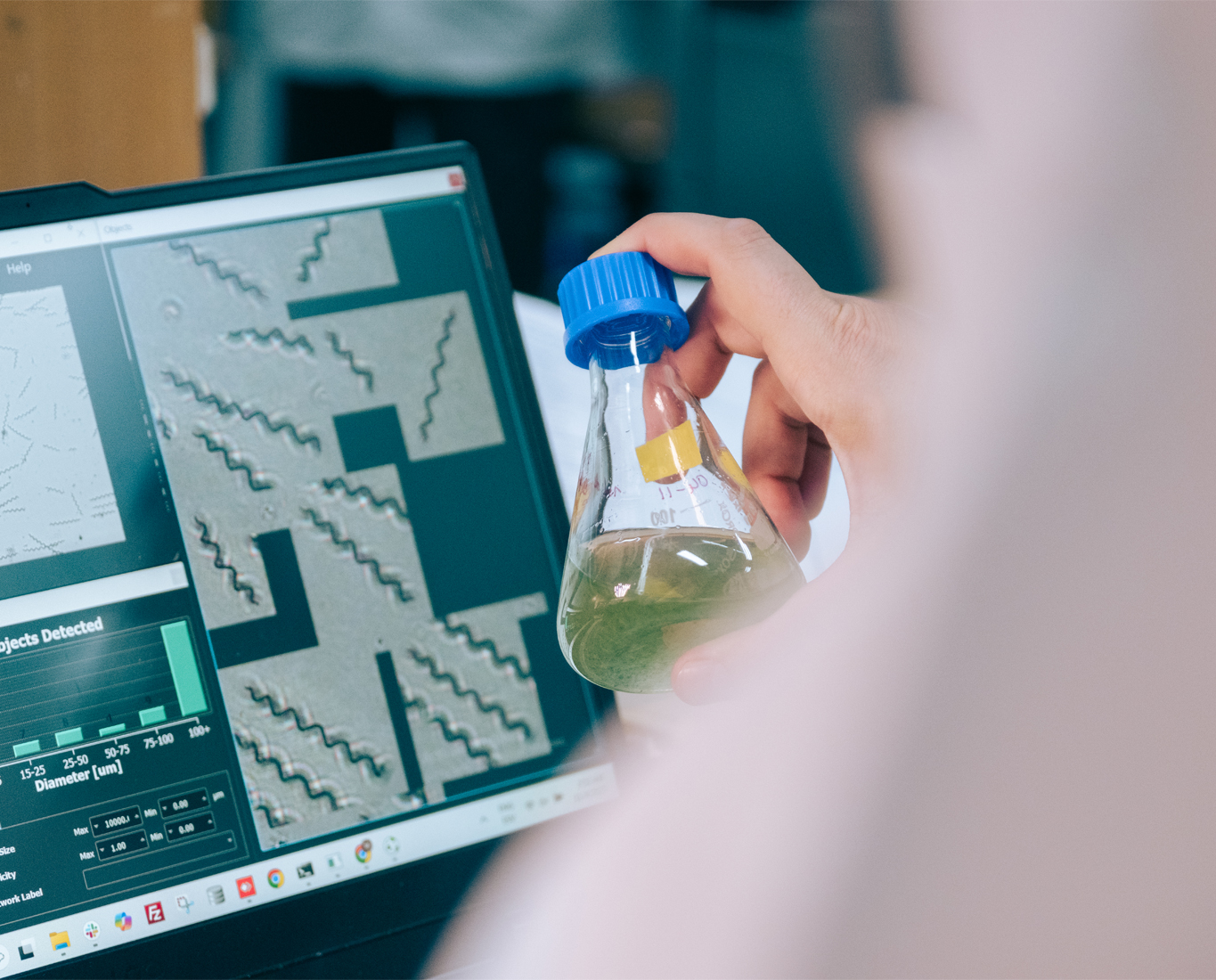
By integrating persistent microscopic observation with rigorous molecular and phylogenetic analyses, we map the life cycles of harmful microorganisms under controlled conditions.
Integrating early detection with targeted mitigation techniques is the most effective strategy to protect industrial production and avoid economic losses.
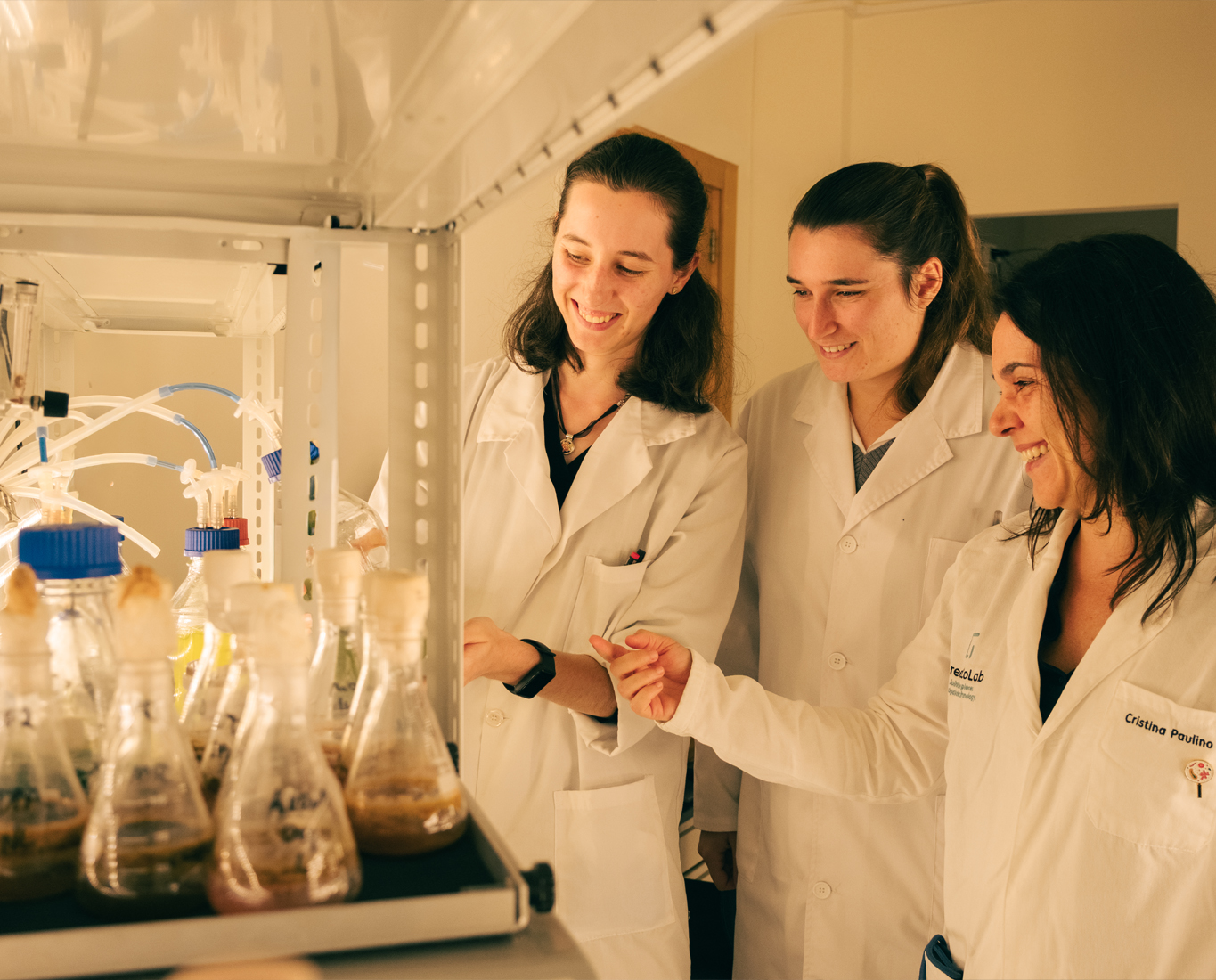
Led by Cristina Paulino, along with Mélissa José and the guidance of Professor João Varela. Our mission is to master the delicate balance of industrial algae production by targeting and mitigating harmful biological contaminants. We provide the expertise and knowledge necessary to protect algae cultures.
Not yet implemented, but will come soon as contract research services for biological contaminants detection & mitigation.
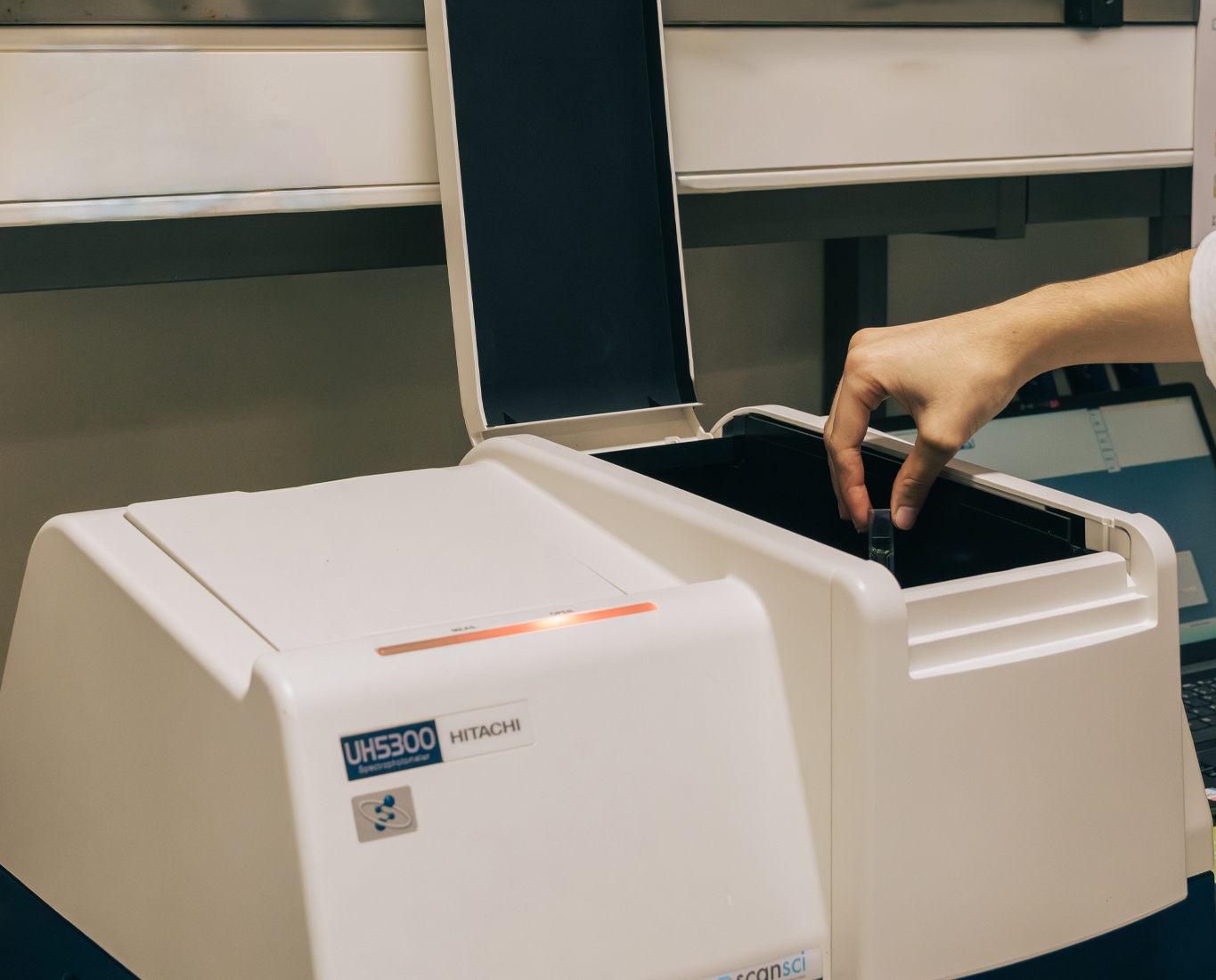
Our Microbiology lab is equipped with advanced instrumentation for the analysis of aquatic microorganisms’ life. Focused on the isolation and mitigation of algae ontaminants, we specialize in precise microbiome manipulation. Fully equipped and prepared with refrigerated orbital shakers, incubaters and microscope for prokaryotes and eukaryotes cultivation. This facility is leveraged with molecular biology and culture based techniques, our lab serves as a critical hub for aquatic microbial ecology, aquaculture, and biotechnology.


Kit for early detection of Paraphysomonas sp., a microorganism causing culture collapse of Tisochrysis lutea microalgae at industrial scale