Sustainability

The Sustainability Working Group works to make algae systems and products more sustainable.

Assessing Sustainability

The impacts and viability of algae products and systems are quantified to define future improvements in production and commercialisation. All dimensions of sustainability are considered through established methodologies: environmental (E-LCA), social (S-LCA), and economic (LCC & TEA).

Algae circularity and positive impact

A Circular Economy approach is applied to promote the positive societal impact of algae, driving the green transition and blue bioeconomy. Assessments cover algae’s participation in ecosystem biodiversity, pollution remediation, carbon capture, and the recovery of resources and nutrients.

Expertise and Experience

Partnership with industrial-scale facilities and involvement in several projects has generated specific knowledge in the algae sector. This experience has built an extensive internal dataset, which includes Life Cycle Inventory (LCI) data for diverse algae cultivation and processing systems.

The

Team

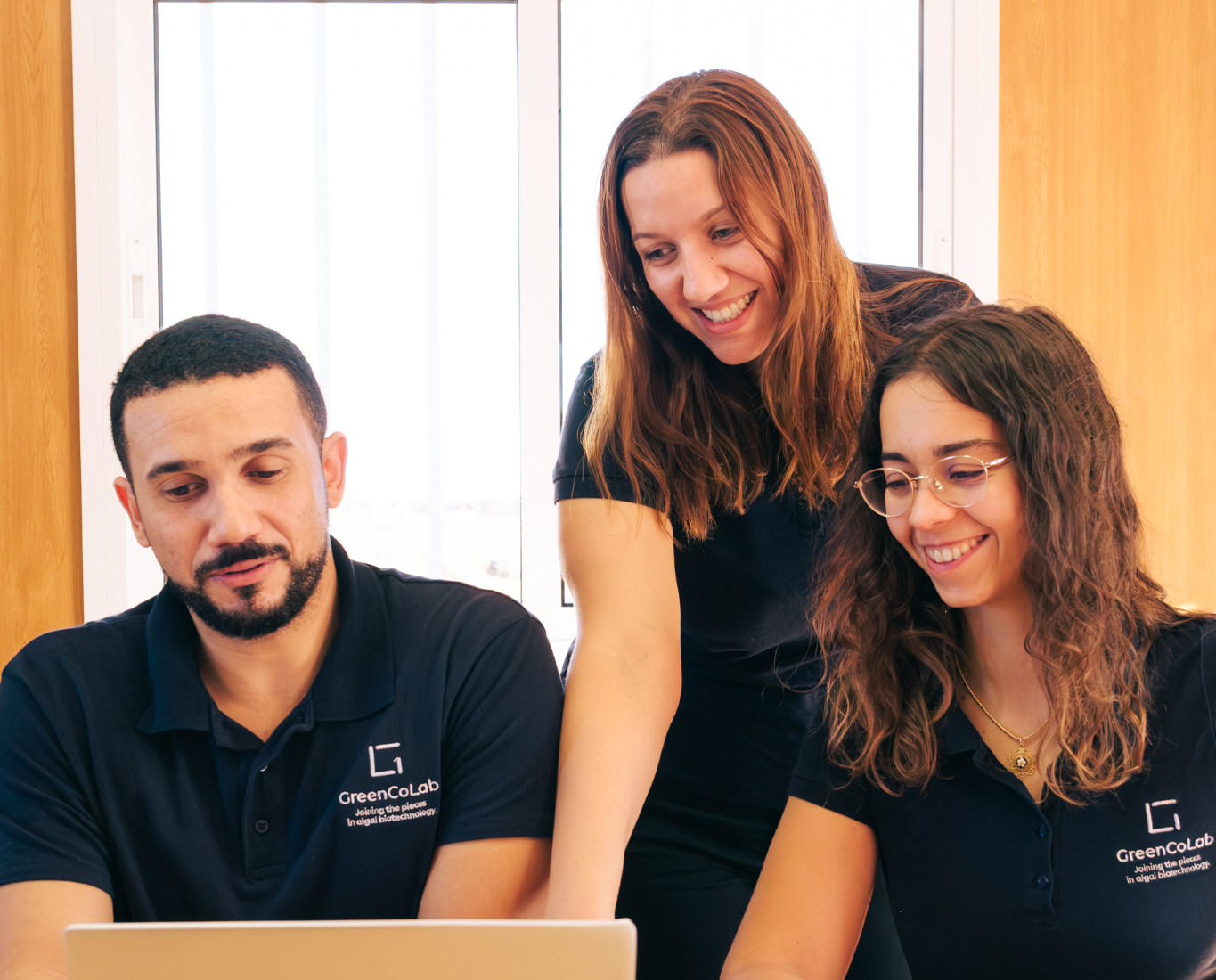
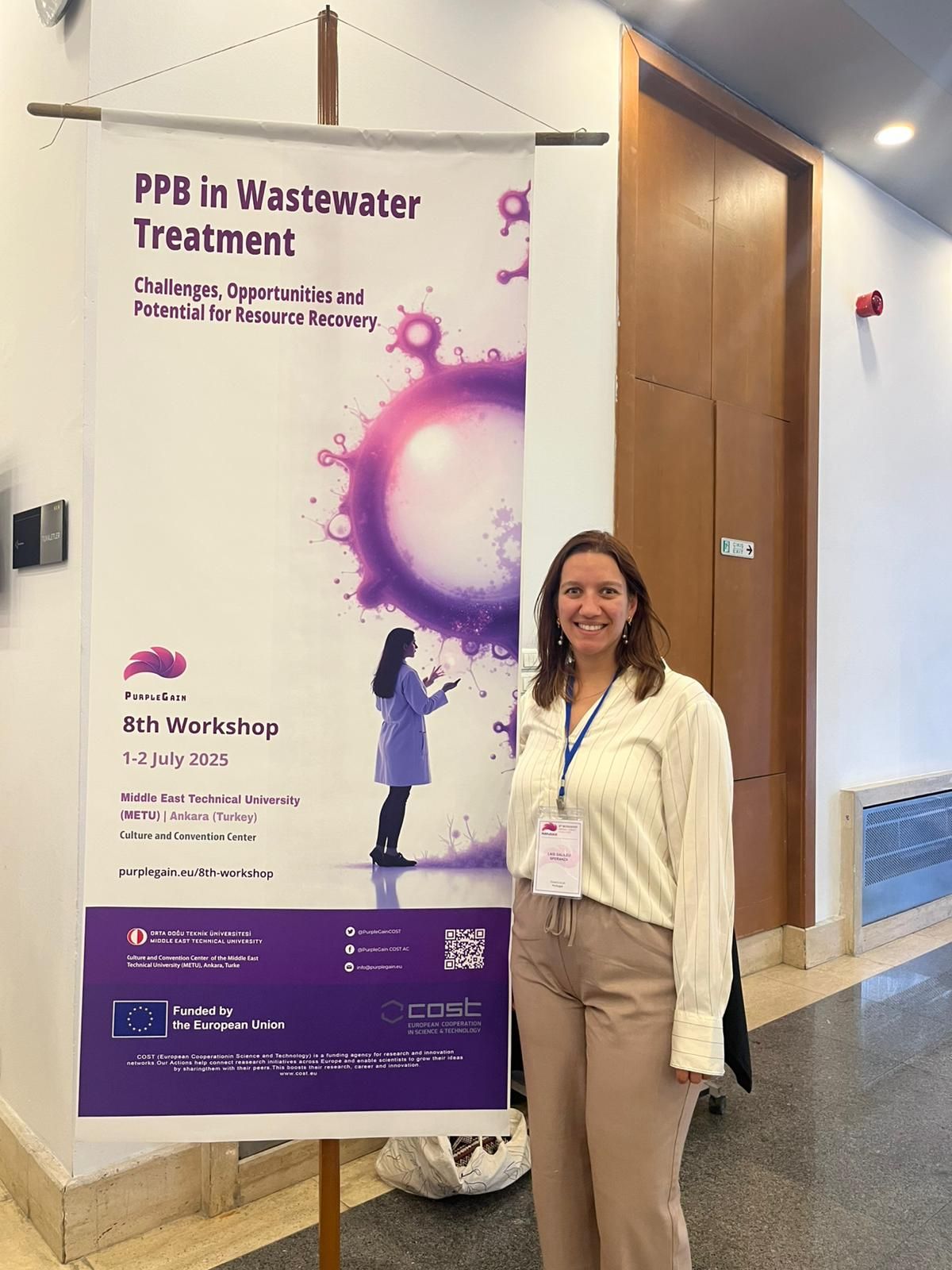
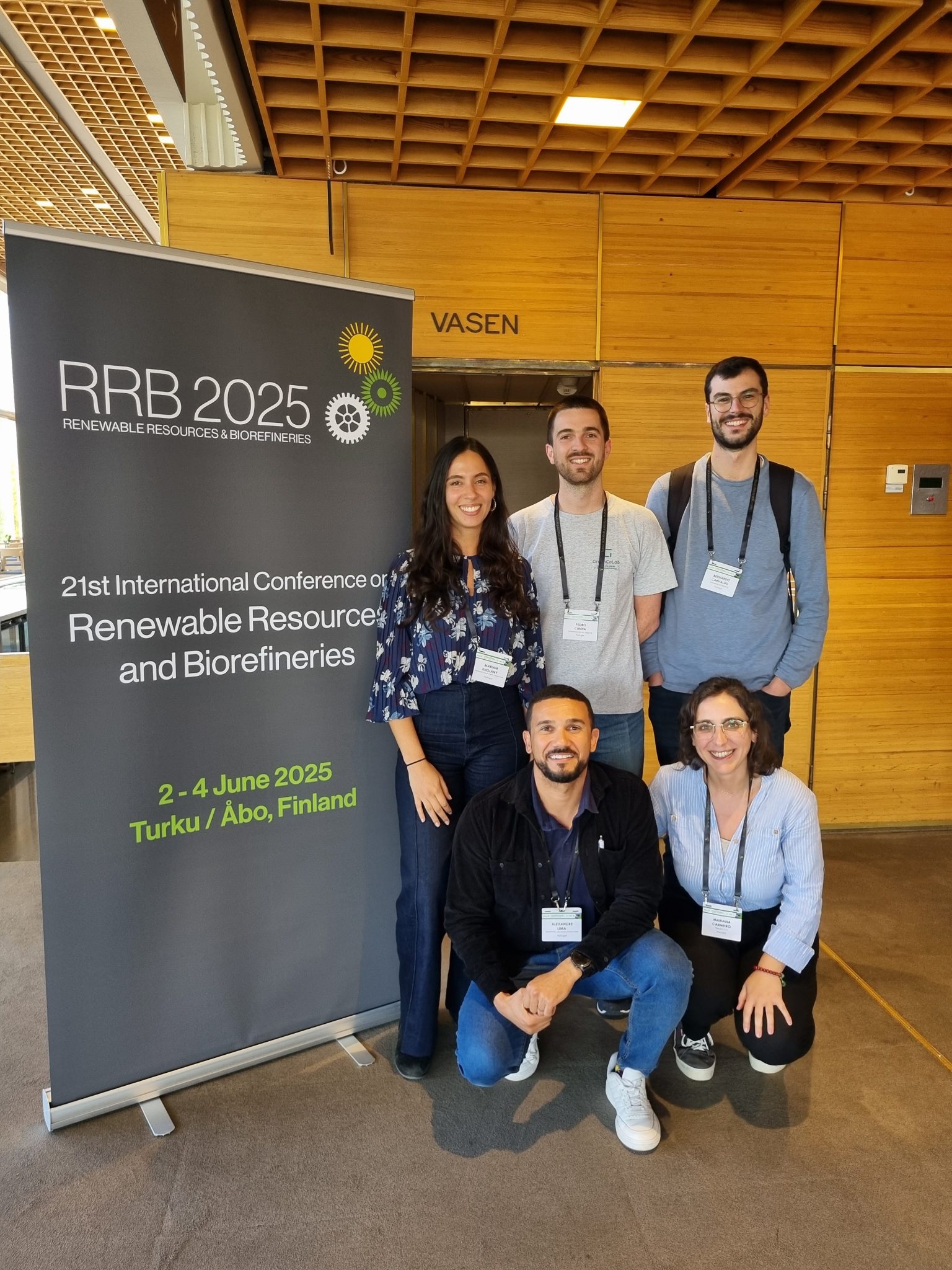
Led by Lais Speranza, and joined by Alexandre Lima, Sofia Navalho, Bernardo Carvalho and Madalena Mendes, the Sustainability team possesses multi- and interdisciplinary expertise. This ensures covering all requirements for fostering the sustainable development of the algae sector.

What

can offer

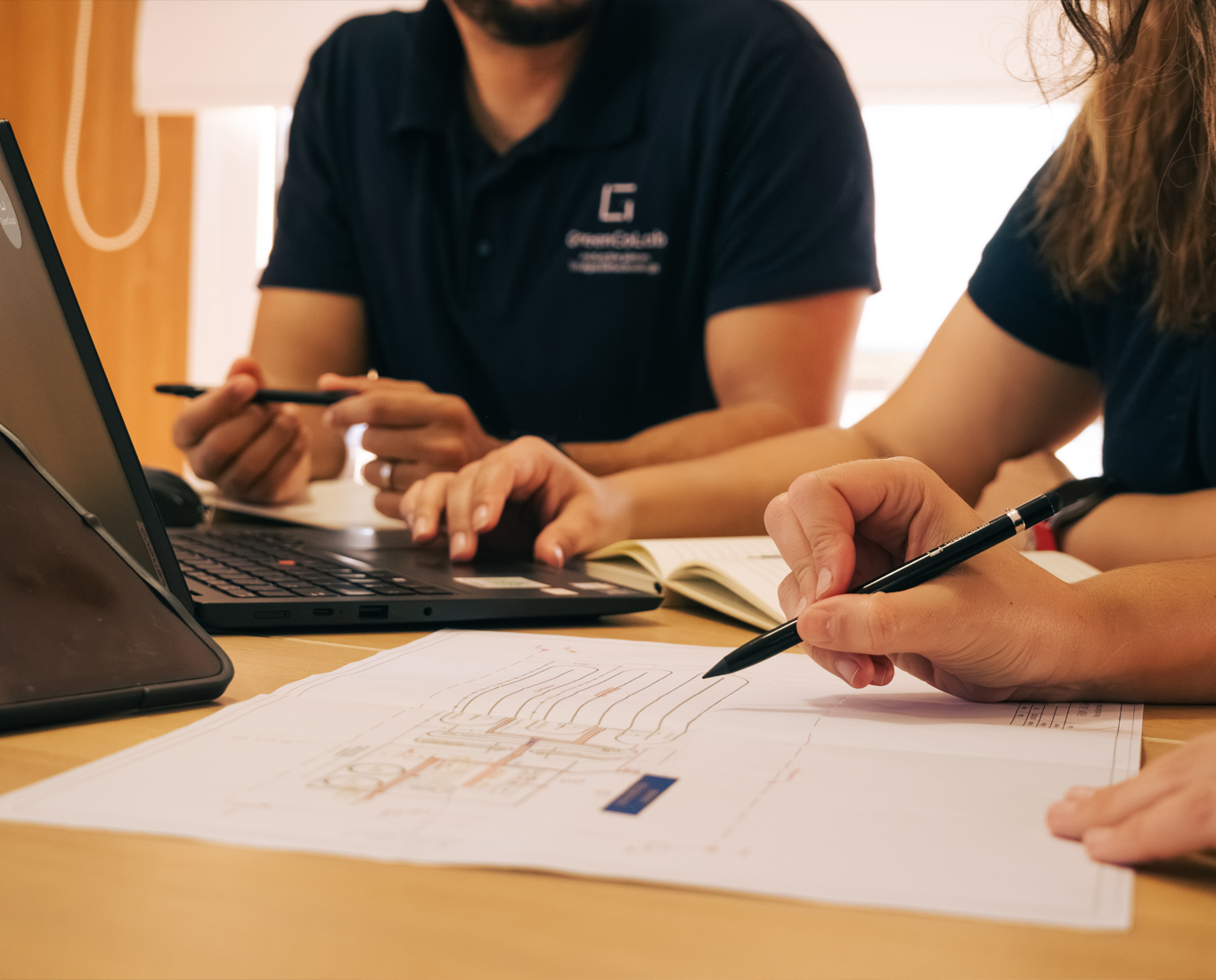
Our team can participate in project collaboration and contract research, providing:

  • Life cycle Assessments (E-LCA, S-LCA and Life Cycle Costing – LCC);
    Techno-economic analysis (TEA);
  • Sustainability quantification (ecosystem service, carbon capture, and others);
  • Circularity evaluation;
  • Standards compliance.

Cutting Edge Space

Inside Our Lab

The Sustainability Working Group uses established standards, software, and databases to deliver tailored assessments. LCA activities are conducted using OpenLCA, an open-source software, along with recognised databases, such as Ecoinvent®, Agribalyse®, Environmental Footprint (EF), and others. Crucially, GCL also maintains a robust internal dataset of LCIs specifically developed for various algae scenarios, including up- and downstream processes.

Food Nutrition
Prototypes

We develop cutting-edge prototypes that transform innovation and scientific advances into tangible, real-world solutions